
Youth Research Mentorship Initiative
nonprofit status
tax-deductible fees
humanitarian focus and impact
Sample Project Areas
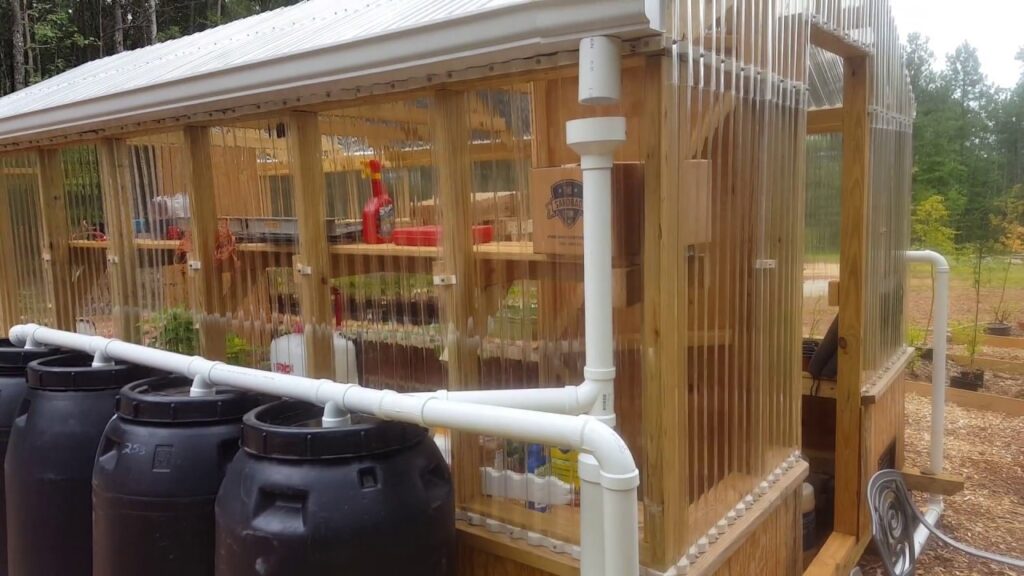
Greenhouse rainwater harvesting systems
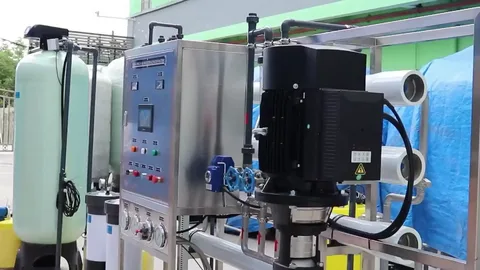
Low-cost water purification and procurement

Sustainable energy solutions for off-grid context
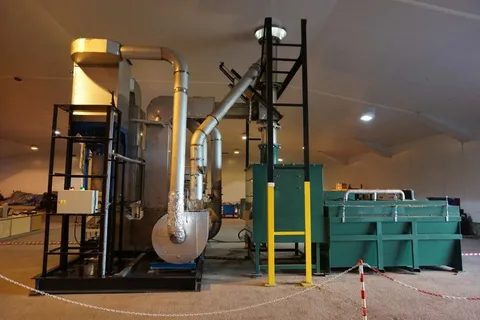
Waste-to-resource conversion systems
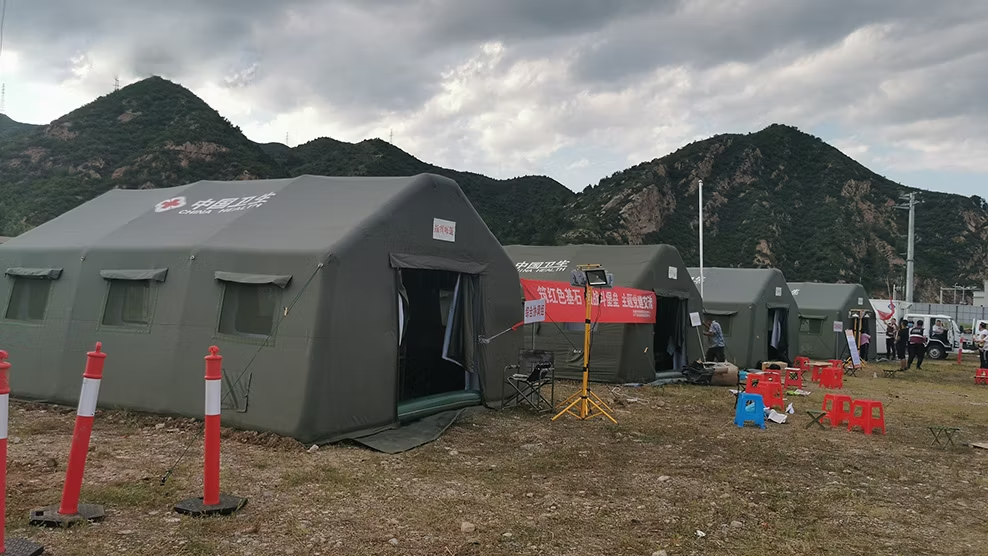
Low-cost weatherproof shelter construction techniques

Decentralized data management and AI
Key Benefits
College Application Boost
Competitive advantage for top-tier universities (MIT, Stanford, Caltech) through meaningful research experience
Published Research Paper
Professional publication in academic conference or journal with mentor guidance
Hands-on Humanitarian Experience
Direct contribution to solving real-world challenges in refugee camps and low-resource communities
Tax-Deductible
Investment in your future while supporting nonprofit humanitarian work
How It Works
Phase 1: Project Design & Data Collection
Select from pre-vetted humanitarian engineering projects. Design experiments, build prototypes, and begin structured quantitative data collection under mentorship.
Phase 2: Analysis & Writing
Analyze research findings using quantitative methods. Compare results to existing literature and draft a formal research paper suitable for academic submission.
Phase 3: Publication
Submit completed research to appropriate conferences or journals with mentorship support throughout the review and publication process.

What's Included
- Research methodology and experimental design guidance from MIT-level researcher
- Data collection and analysis troubleshooting
- Results interpretation and discussion
- Scientific writing instruction
- Publication process navigation
Nushoor INSTITUTE
Invest in your future and make a real difference
- Mentorship sessions: $100 per session (6-12 month program)
- Total investment: $1,000–$4,000 (tax-deductible)